Hybrid Work
Laura Willemse
|
The Notification Symphony: Why Your Hybrid Culture is Drowning in Noise (and How to Fix It)
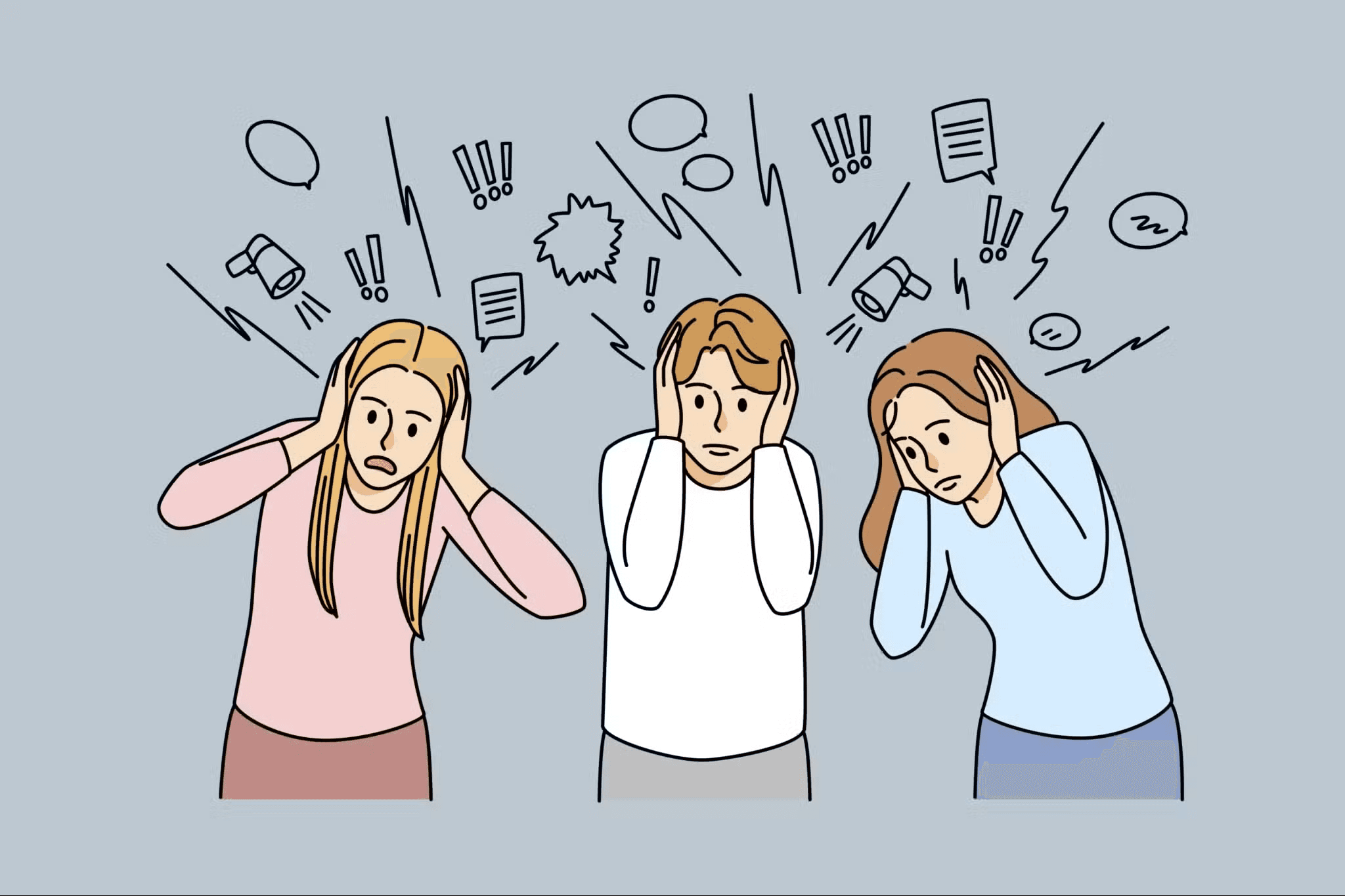
In the shift to remote-first work, we didn't just digitize our offices; we digitized our interruptions. While many employees once dreaded the "meeting that should have been an email," they now face a more insidious productivity killer: the endless "dings" and "buzzes" of a fragmented tech stack.
At Cleary, we call this the "Admin Trap" for employees. When information is scattered across siloed applications, the modern knowledge worker is forced to spend their day in a "notification symphony," fighting for attention rather than focusing on the moments that matter.
The High Cost of the "Ding": 23 Minutes to Refocus
The average worker receives 46 notifications a day on their phone alone. When you add the five hours per day spent checking inboxes, it becomes clear that important company messages aren't just being delayed—they are being lost.
The impact is more than just annoying; it is a systemic drain on productivity. Research shows that once an employee is disrupted, it takes an average of 23 minutes to refocus. One ill-timed notification doesn't just take a second to read; it can destroy an entire hour of deep work.
The Problem: Notifications are "Random Homework"
Think of it this way:
Meetings are like a structured lecture—scheduled, time-limited, and (ideally) aligned with an agenda.
Notifications are like homework—randomly assigned by peers 24/7, without clear expectations or context.
As the "fabric" of the organization frays due to this digital noise, leadership must architect a Digital Lobby to reclaim the team's sanity.
The Antidote: Architecting a "Digital Lobby" for Asynchronous Work
To stop the noise, organizations must embrace asynchronous communication (async)—information exchanged without being tied to a specific moment in time. This allows employees to find more and seek less, fulfilling the Cleary mission of an effortless digital employee experience.
1. Replace "Announcements" with Referenceable Artifacts
If the focus of your meeting is an announcement that doesn't require immediate feedback, move it to a memo or newsletter. Using the Cleary Communications module, you can track who has opened the update, ensuring alignment without forcing 500 people into a Zoom room.
2. Operationalize the Async Brainstorm
Traditional whiteboarding is highly interruptive. Instead, create an async Q&A event. By posting a prompt and allowing employees to contribute over several days, you give introverts and "slow-thinkers" a seat at the table while reducing the pressure of real-time performance.
3. The "Level 2" Meeting Rule
Use the Async + Sync Combo. Provide a pre-read or video update through your company intranet ahead of time. This allows the live meeting to "start at level two or three," focusing on nuanced discussion and decision-making rather than basic status updates.
Real-World Proof: The Eventbrite Model
Leading companies like Eventbrite are already pioneering this shift. They experimented with an "Async Week" (zero internal meetings) and found that productivity soared. By compressing live interactions into specific "sync windows" that fit all time zones, they reduced the constant buzz of alerts while maintaining cultural connection.
Conclusion: Reclaiming 80 Hours for Strategy
You cannot silence every alert in a remote-first world, but you can build a Digital Entrance that manages them. By moving your "Who’s Who," news, and company resources into a single source of truth, you help your People Team escape the repetition cycle.
Is your HR team buried in repetitive requests? Cleary reclaims 80+ hours a week (equivalent to 2 FTEs) by automating Tier 0 support. (https://gocleary.com/start)