Hybrid Work, Cross-Team Efficiency
Jessica Cates
|
Thomas Kunjappu has been obsessed with how organizations can be more productive, connected, and aligned, working for over a decade in the employee experience space first at companies like Twitter and Medallia, and now as CEO and Co-Founder of Cleary, building out the digital lobby for hybrid and remote companies like Square, DoorDash, and Flexport. In this in-depth Q&A, he shares best practices and trends that he’s seeing from Executive teams, People Ops/HR, and Comms leaders that he partners with.
The Digital Lobby: Mastering Asynchronous Communication to Scale Your Culture
In the contemporary hybrid workplace, the traditional "tap on the shoulder" has been replaced by a digital void. As organizations scale, the "fabric" of the company often frays because communication remains tied to immediate, synchronous interactions that create a bottleneck for productivity.
At Cleary, we believe the solution isn't just "more meetings"—it is the development of a Digital Lobby. By mastering asynchronous communication (async), People Teams can escape the "Admin Trap" and reclaim up to 80 hours every week to focus on high-level strategy.
What is Asynchronous Communication?
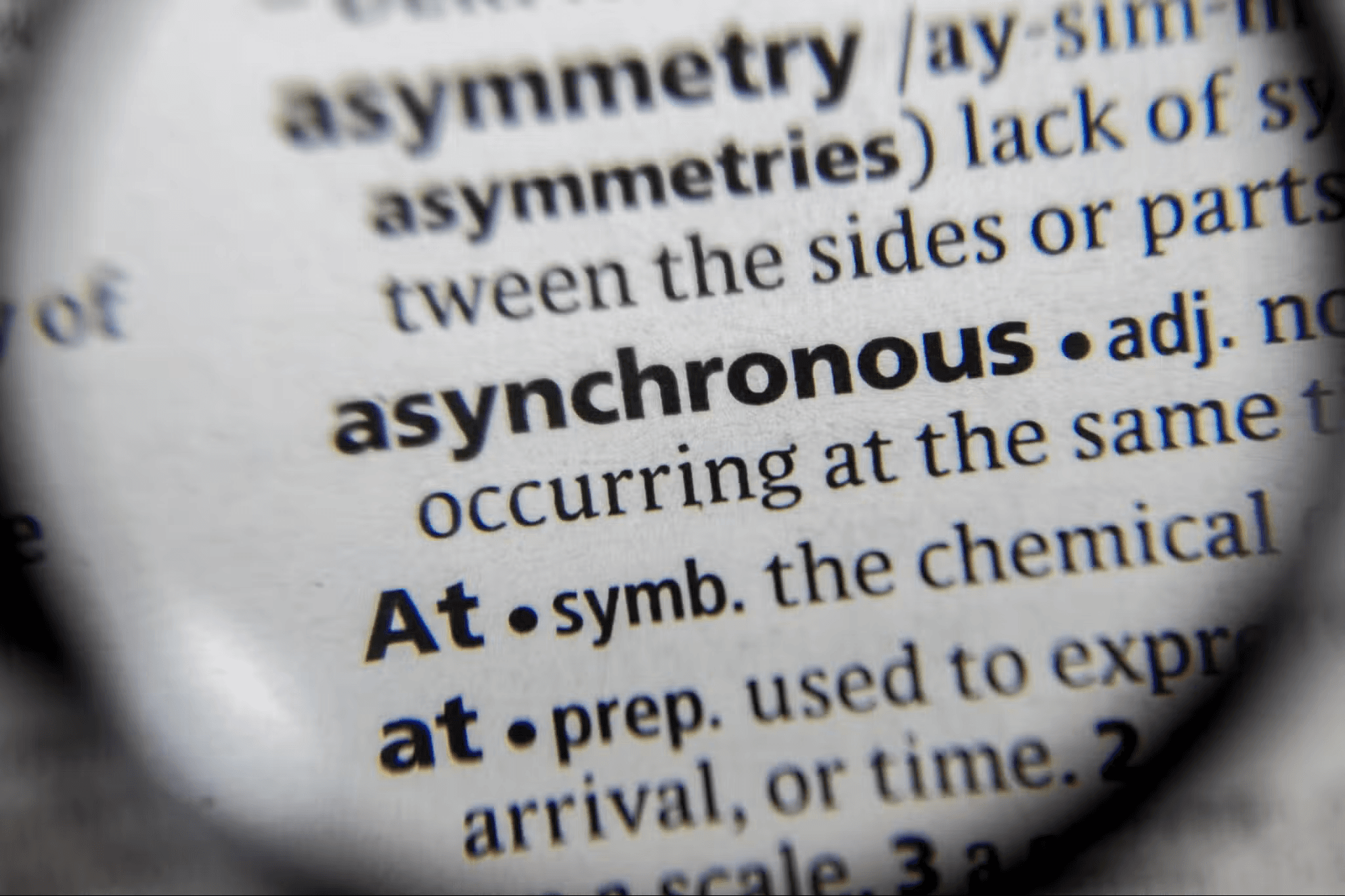
Asynchronous communication is the exchange of information without the requirement for all participants to be present at the same time. This model relies on referenceable artifacts—such as written documents, video recordings, or searchable wikis—that allow employees to consume and respond to information on their own schedule.
The Cultural Shift: From Phone Calls to "Digital-First"
Since the 2010s, consumer culture has flipped from synchronous phone calls to asynchronous text messaging as the primary mode of connection. In a professional context, a "live" meeting is often an interruption that forces cognitive context-switching. In a remote or hybrid structure, assuming you can just interrupt someone for a live conversation is no longer sustainable.
The Top 3 Benefits of Asynchronous Communication for High-Growth Teams
For companies like Flexport—a Cleary client with thousands of employees across 25 global offices—async isn't just a preference; it’s an operational necessity.
1. Unlocking Global Talent and Flexibility
Async removes time zone barriers, allowing you to hire the best talent regardless of geography. It gives employees the freedom to organize their day around "deep work" rather than a calendar of back-to-back calls.
2. Moving from "Fast Thinking" to Strategic Innovation
Synchronous meetings often over-index on reactive "fast-thinking." Asynchronous threads allow for deliberative "slow-thinking," incorporating the voices of introverted team members and those who need time to process complex ideas before contributing. This shift leads to significantly better business outcomes.
3. Deepening Meeting Impact (The "Start at Level Two" Rule)
When you share context asynchronously before a meeting, you can "start the meeting two levels deep." Similar to how modern colleges use video lectures to free up classroom time for nuanced discussion, corporate rituals like All-Hands Meetings should use a digital hub to crowdsource questions and topics in advance.
When to Stay Synchronous: Protecting the "Human Handshake"
While async is the backbone of productivity, synchronous communication remains paramount for trust-building and high-bandwidth problem solving. Leaders should pick up the phone or hop on a Zoom call when:
Decisions are moving to "Sync": If a Slack thread is going back and forth in real-time, jump on a call to resolve it instantly.
The Nuance is High: Difficult, multi-faceted decision-making requires a "meeting of the minds" to ensure alignment.
Conflict Resolution: Resolving disagreements synchronously minimizes the misinterpretation common in written comms.
Trust Deposits: Culture and trust-building are naturally more human in a live medium. Consistent "deposits" into the trust account via sync make your async work much smoother.
The Founder’s Blueprint: How to Transition Your Team
Transitioning to an async-first culture requires more than just a new tool; it requires a shift in the "operating system" of your office.
Audit Your Company Rituals
Pick one ritual to change. For example, turn the live CEO update into a weekly recorded video. Monitor engagement and make it a habit if it resonates. Our founders saw this firsthand at Twitter with the development of "Birdhouse," an internal hub that bound a distributed workforce together through shared news and transparency.
Guard Against "Comms Overload"
Without physical limits on meetings, organizations often face an explosion of newsletters and Slack noise. This leads to platform fatigue. The goal is to ensure async communications are targeted and high-quality. At Cleary, we help partners use analytics to see where employees start "tuning out" so they can consolidate messages to the right people at the right time.
Building Your Digital Entrance: The Essential Toolset
To succeed with async, you must move beyond a fragmented tech stack and build a Digital Lobby—a single entry point for the employee experience.
Category | Primary Tools | Role in the Digital Lobby |
Messaging | Slack, MS Teams | The real-time pulse of the team. |
Search & Wiki | Cleary, Google Drive | Solving the "first search problem." |
Recording | Loom, Zoom | High-bandwidth async context. |
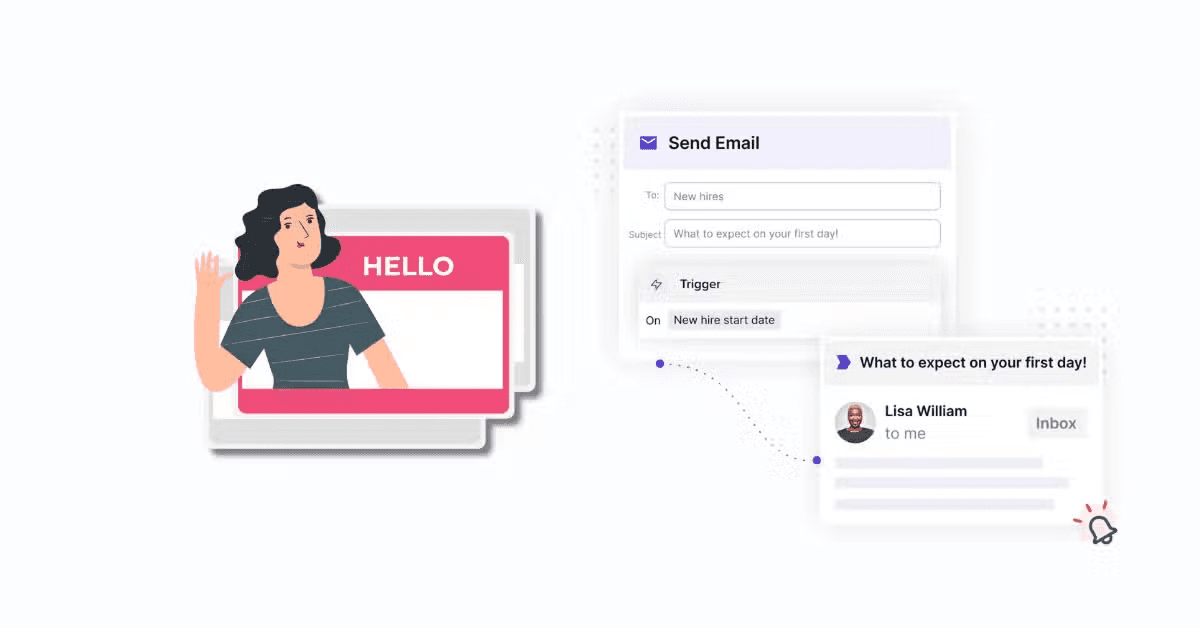
Journeys | Cleary | Automating onboarding and milestones. |
The End of Platform Fatigue
By layering an employee experience platform on top of your tools, you provide a "front door" that makes it easy for new hires to find information and for veterans to stay connected to company rituals.
Ready to reclaim 80 hours a week for your People Team? (https://gocleary.com/start) and see how we automate the "Admin Trap" so you can focus on the moments that matter.