Employee-Centricity
Stephen Karaolis
|
How can efficient human resource management drive success in a competitive business environment? An HR intranet serves as a valuable tool, centralizing operations and enhancing the employee experience. Discover the features and benefits of incorporating an HR intranet into your organizational strategy without giving away the detailed insights ahead.
Key Takeaways
HR intranets are centralized platforms that integrate various HR functions. They improve communication and streamline processes like training and performance management.
Self-service portals within HR intranets empower employees. They provide easy access to personal and professional information, allowing employees to manage profiles and workflows, and reducing routine HR inquiries.
HR intranets foster company culture. They offer resources supporting mental and physical health and drive diversity and inclusion initiatives.
Decoding HR Intranets: A Digital Hub for Human Resources
HR Intranets are sophisticated platforms for internal communication and knowledge sharing. They consolidate a wide range of HR-related content. This includes core HR systems, benefits portals, and learning management systems (LMS). An intranet provides a single source of truth for employees. It integrates goal tracking and HR updates in one accessible location, enhancing clarity and efficiency.
Tools like Cleary exemplify how these platforms can boost employee engagement and productivity. They are indispensable for managing modern workforces.
The Core of HR Operations
HR Intranets act as central hubs that keep employees informed. They include company policies, training manuals, and HR news. Features like blogs or forums provide direct communication channels between HR staff and employees, enhancing efficiency.
Benefits of Centralized Training Portals:
Ensuring uniformity and consistency in distributing key documents such as employee handbooks and compliance materials
Streamlining HR processes
Improving overall communication
Enhancing Company Culture Through Technology
HR Intranets nurture organizational culture by promoting company values and CSR activities. They align the internal brand with the external brand. This makes employees feel more connected to the company’s mission. Internal communication channels and employee updates foster a sense of community and belonging.
Empowering Employees with Self-Service Portals
Self-service portals within intranets empower employees. They allow employees to manage their profiles, including time and attendance, leave-approval workflows, and compensation and benefits. These features streamline various processes. They integrate applications with the HR
intranet portal, providing access to personal HR information and facilitating transactions without navigating multiple systems. Automation reduces routine inquiries, allowing HR professionals to focus on strategic activities.
Streamlined Information Access
Centralized access to HR-related documents and information through intranets offers several benefits:
Eliminating information silos
Increasing productivity
Providing a single source of the latest HR policies and procedures
Reducing the need for multiple applications by integrating HR systems
Personalized Employee Experiences
Personalization features in HR intranets ensure employees receive relevant and tailored content based on their roles and interests. These features can target content according to the employee’s department, division, location, and role. By providing personalized experiences, intranets ensure new hires and existing employees see pertinent content, enhancing their overall experience and engagement.
Fostering Engagement and Connection
HR Intranets foster engagement and connection by acting as centralized hubs for resources, news, tools, and company values. This improves overall employee engagement. Key features include:
Employee recognition programs celebrating individual and team accomplishments
Sharing company news and updates in visually engaging ways
Displaying company strategy and goals to align employees with the organization’s mission
Allowing employees to generate content, fostering engagement through two-way communication channels
Interactive Communication Channels
Interactive communication channels within intranets, such as communities, discussion groups, and instant messaging features, encourage collaboration and quick decision-making. User-generated content, like comments on internal blogs, contributes to the company’s knowledge base and provides insight into employee engagement and leadership potential.
Analytics track views, likes, comments, and shares. This helps assess engagement levels and interaction within the intranet.
Bridging the Gap for Remote and Hybrid Workers
HR Intranets bridges the gap for remote and hybrid workers by providing a centralized space for accessing essential company information. This fosters a sense of connection and integration with the team. New hires, especially those working remotely, can find the resources and guidance they need. This expedites their acclimation period and helps forge early relationships with their coworkers.
Integrating Learning and Development
HR Intranets integrate learning and development by offering:
Customizable training and development portals
Access to a variety of learning resources and courses
Continuous learning opportunities, including diversity and inclusion training
Integrations with platforms like LMS365 for easy access to training materials
Accurate record-keeping of employee progress in professional development programs through online forms, progress tracking, and feedback collection
Innovative methods such as training requests, rewards systems, and visibility of training achievements foster engaging and interactive learning experiences through a learning management system.
Centralizing Training Resources
Centralizing training resources on intranets offers several benefits:
Streamlining the process for employees to locate and access necessary materials, boosting efficiency
Ensuring all training manuals, materials, and courses are easily accessible
Contributing to a more organized and efficient learning environment
Tailoring Learning Paths
Intranets provide personalized learning experiences by offering tailored learning paths that align with individual career goals and skill development needs. Online training programs, including courses and webinars, allow employees to learn at their own pace and customize their learning experience.
Streamlining Recruitment and Onboarding
Intranets streamline recruitment and onboarding processes by integrating LMS for job postings. They enhance transparency within internal hiring practices. Job postings on the intranet empower employees to align their career paths with their skills and interests by exploring open positions within the company.
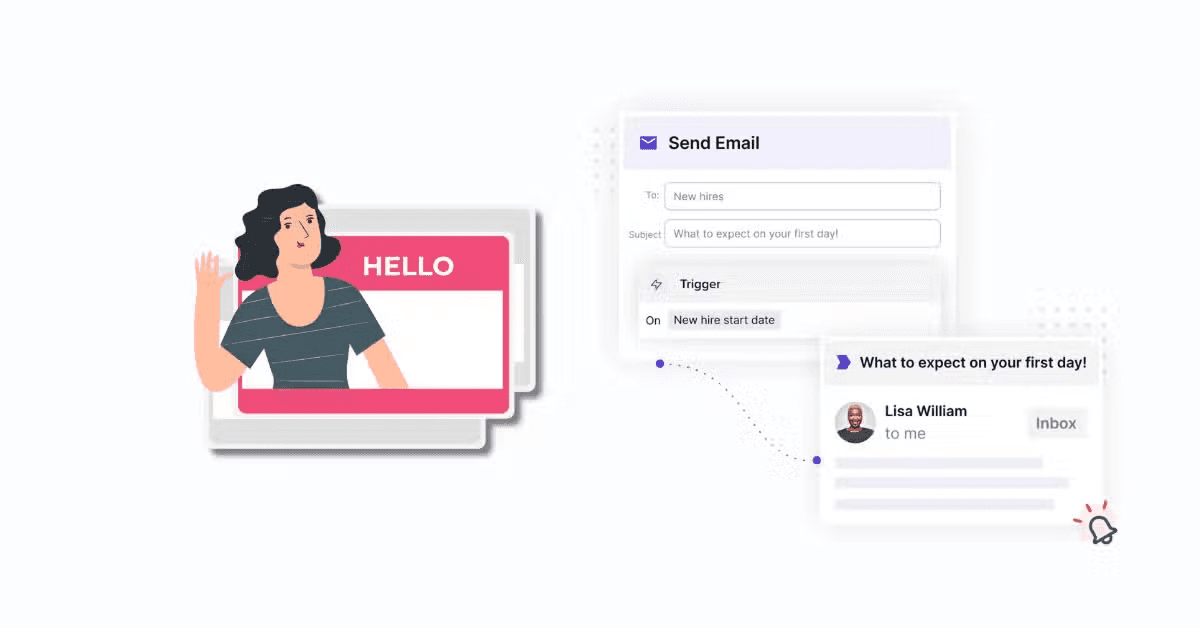
The onboarding process is streamlined by combining resources, schedules, company information, and welcome messages into a single platform. This ensures new hires have a clear understanding of company culture and expectations. Onboarding software integrated into intranets accelerates administrative tasks, leading to an efficient and consistent entry experience for newcomers.
Accelerating Hiring Workflows
Intranets accelerate hiring workflows by:
Disseminating internal job postings
Targeting job openings to suitable candidates
Allowing HR professionals to efficiently review candidates
Managing the application process with tailored requirements for the role
Customized job offers that resonate with candidates can be created through intranet systems, aligning the company’s requirements with the individual’s career aspirations.
Engaging Onboarding Journeys
Intranets facilitate engaging onboarding journeys by providing a centralized point for new hires to access essential information and resources. Automation in intranets streamlines onboarding processes and paperwork, facilitating quicker integration of new employees into their roles.
Benefits of Using Intranets for Onboarding:
Comprehensive online induction
Central knowledge-sharing hubs
Various media formats to enhance the interactivity and effectiveness of the onboarding experience
This digital onboarding leads to improved collaboration, time savings, and increased retention.
Simplifying Performance and Goal Management
Intranets simplify performance and goal management by integrating external tools and providing comprehensive tracking of employee achievements. The digital completion of performance management processes, such as documenting key result areas and facilitating performance appraisals, is streamlined through the use of intranet software.
These comprehensive tools allow for ongoing monitoring and tracking of employee achievements against their objectives. This ensures all employees are aligned with their goals.
Visualizing Goals and Progress
Intranets serve as platforms for both employees and HR managers to monitor and visualize progress toward set objectives. Visualization tools like dashboards with charts and graphs help employees track their progress toward their goals. This fosters a collaborative approach to achieving personal and professional growth. This clear focus helps employees stay aligned with company-wide annual goals.
Feedback and Appraisal Tools
Feedback and appraisal tools in intranets are vital for supporting employee development and aiding in performance reviews. The integration of these functions facilitates holistic evaluations. This contributes to comprehensive assessments of employee performance.
Features like 360-degree feedback and performance review functions provide a robust framework for continuous employee development.
Promoting Wellness and Inclusivity
Intranets promote wellness and inclusivity through dedicated wellbeing hubs and support for diversity and inclusion initiatives. These hubs centralize wellness resources, supporting both the mental and physical health of the workforce. Intranets also support Diversity & Inclusion initiatives by disseminating important information on policies and initiatives. This fosters a diverse and inclusive work environment.
Employee Resource Groups (ERGs) are given specific support spaces on the intranet to help champion diversity and inclusivity.
Wellbeing Resources and Support
Dedicated wellbeing hubs on intranets offer various resources focused on the mental and physical health of employees. These include gym membership benefits and helplines. For remote and hybrid workers, these resources allow for activities like daily workouts and foster a sense of community through team chats.
Wellness coaching and resources supporting the tracking of fitness activities promote healthy habits like mindfulness and physical exercise. Intranets emphasize the importance of wellness by highlighting events such as World Mental Health Day and encouraging employees to take necessary time off to recharge.
Championing Diversity & Inclusion Initiatives
Intranets clearly articulate Equity, Diversity, and Inclusion (EDI) policies. They delineate the responsibilities of the company, managers, and employees in maintaining these standards. Educational materials regarding EDI, such as definitions and explanations, are made available to nurture an inclusive company culture.
Diversity committees or groups within the intranet work to address barriers and develop strategies for building a more inclusive workforce. Intranets also promote equal treatment and opportunity for all staff as part of the organization’s commitment to celebrating diversity.
Optimizing HR Workflow with Integrated Systems
Intranets optimize workflow within the HR department by providing single sign-on convenience and centralizing project management tools. Process automation in HR operations leads to significant cost reductions and enhances data accuracy. This benefits more than half of the organizations that adopt these methodologies. By streamlining business processes, intranets contribute to overall efficiency and productivity.
By streamlining recruitment and providing a cohesive platform for all activities, intranets ensure comprehensive information gathering and workflow management. Some benefits of intranets include:
Streamlined recruitment process
Comprehensive information gathering
Workflow management
Enhanced efficiency and interdepartmental communication
Customizable tools within a low-code environment further enhance these benefits.
Single Sign-On Convenience
Single sign-on (SSO) simplifies the sign-on process by reducing the need for multiple passwords. This makes it easier for users to access enterprise applications. Integrated with intranets, SSO enables seamless access to apps and automatic assignment of access rights based on roles.
For IT teams, SSO facilitates easier account management and control. Self-service features like password resets and account unlocks reduce service desk assistance requests. This enhances overall workflow efficiency.
Centralizing Project Management Tools
Centralizing project management tools within intranets offers several benefits:
Efficient collaboration across teams and departments
A unified platform for communication and sharing of content, files, and resources
Integrated team calendars for visibility of team activities and progress tracking toward goals
Task management systems within intranets facilitate the creation, viewing, and participation in project action plans. This helps visualize progress and ensures alignment with project objectives.
Measuring Impact with Analytics and Reporting
Measuring the impact of intranets with analytics and reporting allows organizations to:
Track key performance indicators (KPIs)
Glean insights from employee feedback
Accurately measure intranet success
Collect data on engagement and satisfaction
Monitor and improve workplace morale
Integration with employee survey tools enables intranets to collect data on engagement and satisfaction. This provides a basis for monitoring and improving workplace morale.
Tracking Key Performance Indicators
Tracking key performance indicators (KPIs) in intranets helps assess various metrics such as:
Employee satisfaction levels
Login numbers
Usage time
Engagement clicks
Business cost reductions
Turnover rates
Employee reach
Sales increases
Productivity metrics
Understanding user segments and examining segmented KPIs enhance the ability to measure and manage the efficiency of HR initiatives.
Employee engagement can be assessed by intranet tool usage, document relevance, and interaction measures like clicks and comments. The efficiency of the intranet can be gauged by tracking search engine efficiency, response times, and task completion rates.
Gleaning Insights from Employee Feedback
Intranets facilitate feedback gathering. They allow HR to easily collect comments, conduct polls and surveys, and analyze employee opinions and input. These platforms also support anonymous reporting, providing a safe space for honest feedback. Regular pulse checks through surveys enable HR to understand employee sentiment and use the data for appraisals and development plans.
Surveys and polls invite participation and improve employee engagement by making employees feel heard and valued. This leads to suggestions for enhancing productivity and the intranet’s effectiveness. Promoting employee engagement in this way can significantly impact overall company success.
Summary
Intranets are powerful tools that maximize team efficiency by streamlining operations across various HR functions. From centralizing HR-related content and empowering employees with self-service portals to fostering engagement and connection, intranets play a crucial role in modern business environments. They support learning and development, streamline recruitment and onboarding, simplify performance and goal management, promote wellness and inclusivity, and optimize workflows with integrated systems. By measuring the impact with analytics and reporting, organizations can continuously improve their HR strategies. Implementing an intranet can transform your HR operations, creating a more efficient, engaged, and connected workforce.
Frequently Asked Questions
What is an HR intranet, and what does it do?
An HR intranet is an internal platform that centralizes HR functions, such as core HR systems and benefits portals, to improve employee engagement and productivity.
How do self-service portals within HR intranets benefit employees?
Self-service portals within intranets benefit employees by providing them with the ability to manage their personal information, time and attendance, leave-approval workflows, and compensation and benefits. This streamlines processes and reduces routine inquiries for HR professionals.
How do HR intranets support remote and hybrid workers?
Intranets support remote and hybrid workers by providing a centralized space for accessing company information. This fosters a sense of connection and integration with the team and expedites new hire acclimation.
What role do HR intranets play in learning and development?
Intranets play a crucial role in learning and development by providing customizable training portals, centralizing resources, offering personalized learning paths, and facilitating accurate record-keeping of employee progress. They align with individual career goals and skill development needs, thus contributing to overall growth and development.
How do HR intranets measure their impact on the organization?
Intranets measure their impact through analytics, reporting, and tracking KPIs such as employee satisfaction levels, usage time, and engagement clicks. They also gather insights from employee feedback through surveys and polls to enable continuous improvement of HR strategies.