Artificial Intelligence, Employee-Centricity, Human Resources, Platform Consolidation, Productivity
Stephen Karaolis
|
Ever feel like HR tasks are taking up too much time? With so many repetitive tasks to juggle, it’s no wonder. But here’s the good news: HR automation software can help lighten the load. This tool is all about simplifying HR tasks like onboarding, payroll, and employee management, so you can focus on what really matters—your people. Let’s dive into how HR automation software can make your life easier and improve your organization’s efficiency.
Key Takeaways
HR automation software makes life easier by handling routine tasks, freeing up HR teams to focus on bigger-picture initiatives that help your company grow.
Automated onboarding isn’t just a time-saver; it helps new hires hit the ground running, leading to better productivity and happier employees.
Employee self-service tools let your team take control of their own HR tasks, cutting down on the paperwork and giving everyone a little more freedom.
Understanding HR Automation Software
So, what exactly is HR automation software? In simple terms, it’s a way to make those tedious HR tasks run on autopilot. Outdated systems can really slow you down, making it hard to focus on the things that matter—like creating a great work environment. That’s where modern HR automation tools come in handy. They handle everything from onboarding to offboarding and even keep track of absences, so you and your team can focus on more meaningful work.
The main goal here is to reduce the admin grind, giving HR teams more time to engage with employees and plan strategically. By rolling all your HR processes into one easy-to-use platform, you’ll save time, cut down on mistakes, and boost overall efficiency. It’s a win-win for both HR departments and employees.
Why HR Automation is a Game-Changer
One of the biggest perks of HR automation software is how much more efficient it makes everything. When you automate administrative tasks, you’re not just saving time—you’re also cutting down on errors, making your HR processes smoother and more reliable. This newfound efficiency gives HR professionals the breathing room to focus on the bigger stuff, like driving company growth and making sure employees are happy and engaged. Plus, automation helps keep you on the right side of the law, minimizing the risk of costly mistakes.
But it’s not just about efficiency. HR automation also plays a huge role in improving the employee experience. When you streamline processes like onboarding and payroll, your employees feel the difference. They’re more satisfied, more engaged, and more likely to stick around. With employee self-service tools, they can handle a lot of their own HR stuff—like updating personal info or requesting leave—without needing to bother HR. This sense of ownership and responsibility makes for a happier, more productive workplace.
Making Employee Onboarding a Breeze
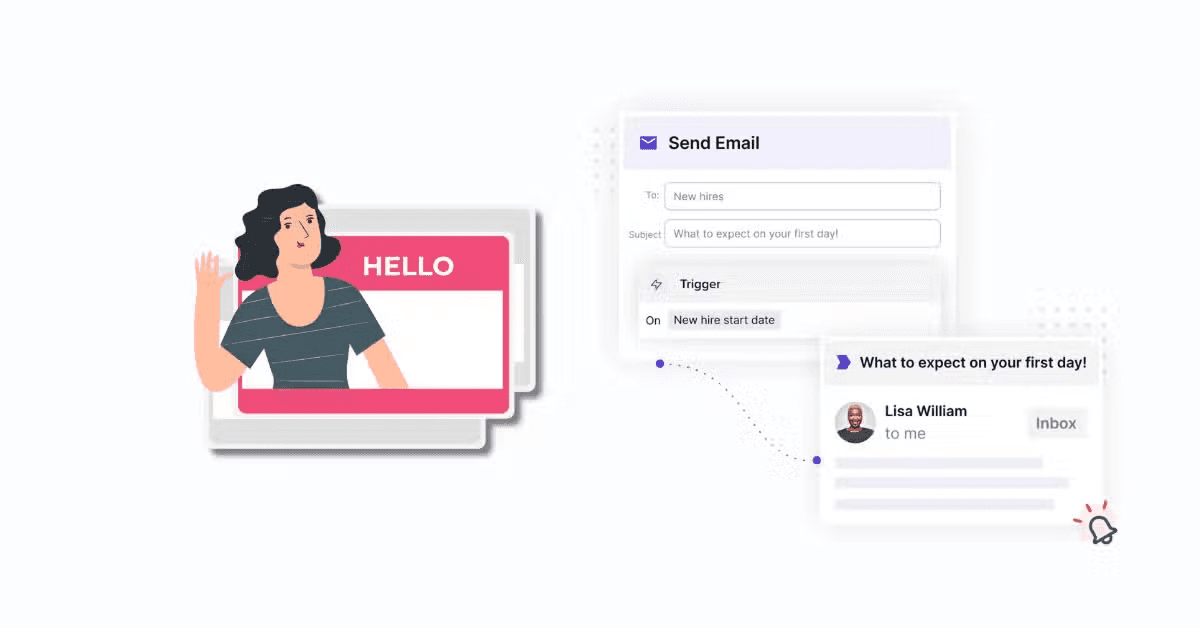
Starting a new job is stressful enough without having to navigate a confusing onboarding process. That’s where HR automation software steps in to save the day. With tools like Cleary, you can automate onboarding, from sending personalized welcome emails to setting up task reminders that help new hires get settled in. It’s all about making sure new employees feel welcomed and supported right from the start.
And it’s not just good for the new hires—automated onboarding takes a lot off HR’s plate, too. By letting the software handle the paperwork and compliance checklists, HR teams can focus on what really matters: making sure new employees have a great experience and are set up for success. This approach leads to higher productivity and retention rates, and who wouldn’t want that?
Boosting Employee Engagement with Better Communication
Good internal communication is the backbone of any engaged workforce, and HR automation tools can help make sure that communication is as smooth as possible. With automated tools, you can make sure important updates get to employees at just the right time, cutting down on information overload and boosting engagement. Whether it’s targeted newsletters, automated surveys, or analytics to measure how well your communications are landing, these tools help keep everyone connected and informed.
By using automated communication tools, you’re not just keeping people in the loop—you’re also helping to build a positive company culture. Automated surveys, for example, make it easy to gather employee feedback and use that information to improve the work environment. When employees feel heard and valued, they’re more likely to be engaged and committed to the company’s success.
Empowering Employees with Self-Service Tools
Let’s be real—no one likes having to go through HR for every little thing. That’s why employee self-service tools are such a game-changer. These tools let employees take care of their own HR tasks, like updating their personal info, requesting time off, or checking their pay stubs, without needing to wait for HR. It’s a small change that makes a big difference in how employees feel about their autonomy and responsibility at work.
For HR teams, this is a huge win. By giving employees the tools to manage their own HR tasks, you’re significantly cutting down on the admin load. This means HR professionals can spend more time on the stuff that really drives the business forward, like talent management and strategic planning.
Streamlining HR Operations and Cutting Down on Manual Work
No one enjoys spending their day on repetitive tasks. That’s where HR automation software really shines. By automating these processes, HR teams can free up their time to focus on more strategic initiatives. Integrating all your HR processes into a single platform simplifies everything, reducing the need for multiple systems and making workflows much smoother. This doesn’t just boost efficiency—it also helps the HR department perform better overall.
Take payroll processing, for example. Automating payroll, timekeeping, and benefits administration saves time and reduces the risk of errors. This streamlined approach lets HR pros dedicate more time to high-impact activities like employee development, talent management, and strategic planning. The result? A more efficient and effective HR department that’s better equipped to support the company’s goals.
Making Workflow Automation Work for You
Workflow automation is like having an extra pair of hands in the office. By automating repetitive tasks, you’re freeing up time for HR professionals to tackle more strategic work. Automating HR processes helps the whole organization run more smoothly by reducing manual intervention and improving data accuracy. For example, integrating payroll with HR services can cut down on data entry errors and make sure everything is consistent across the board.
Automated workflows are also great for onboarding new employees. As soon as someone is added to the HR system, automated emails can send them all the essential materials they need. By integrating HR management systems with other apps, like the Cleary Platform, you can streamline processes even further, like automatically notifying team channels when someone requests leave.
These improvements don’t just boost efficiency—they also make for a better employee experience by ensuring timely and accurate communication.
Automating Key HR Processes
HR automation software is all about making life easier for HR teams. By cutting down on the time spent on repetitive tasks, companies that implement HR automation often see big improvements in efficiency, employee satisfaction, and error reduction. Automating key HR processes like onboarding, payroll, and absence management doesn’t just streamline operations—it also boosts overall productivity.
Take a look at some real-world examples, and you’ll see how HR automation can make a difference. For instance, using HR process automation tools can drastically reduce the time and effort needed to complete new hire paperwork. Automated absence management systems make it easy to track employee leave accurately and on time.
These enhancements don’t just benefit HR teams—they also contribute to higher employee retention and satisfaction by creating a more efficient and supportive work environment.
Tips for Implementing HR Automation Software
Rolling out HR automation software doesn’t have to be a headache. The first step is picking the right HR automation tool for your company. Focus on finding solutions that solve your specific pain points and can be customized to fit your needs. Before you choose, it’s important to identify the areas where HR automation will make the biggest impact. This way, you can ensure the tools you select will actually address your company’s challenges.
Coordination between product and implementation teams is key to a smooth transition. You don’t want to dive in without getting all the relevant stakeholders on board first. Engaging your team early in the process helps secure the resources you’ll need and highlights the strategic importance of HR automation, ensuring everything aligns with your business goals.
Set Clear Goals and Involve Your Team
Setting clear goals is crucial when you’re implementing HR automation. You’ll want to define what you’re hoping to achieve and get everyone on the same page before moving forward. Engaging key stakeholders early in the process makes it more likely that the implementation will be successful. Clear goals also help you measure the success of the initiative and ensure that the automation delivers the desired outcomes.
Involving your team throughout the selection and implementation process is also a big part of making sure everything goes smoothly. When you involve stakeholders in defining requirements and goals, you’re addressing their needs and concerns upfront. This collaborative approach builds a sense of ownership and commitment among your team, making it more likely that the automation will be embraced.
Offering training and ongoing support tailored to your team’s needs will also help them understand and feel comfortable with the new processes. This not only ensures a smoother transition but also fosters a culture of continuous improvement and innovation within your company.
Leveraging Cleary to Enhance HR Automation
When it comes to transforming the employee experience and boosting organizational efficiency, Cleary offers a suite of tools designed to streamline HR processes and foster a connected company culture.
Automated Onboarding with Cleary: Cleary’s onboarding automation tools ensure that new hires start their journey on the right foot. The platform automates personalized emails, meeting invites, task reminders, and post-onboarding surveys, allowing HR teams to focus on creating a welcoming environment rather than getting bogged down in administrative tasks. This automation not only saves time but also helps new employees integrate more quickly and effectively, leading to higher productivity and job satisfaction.
Employee Self-Service and Centralized Knowledge Management: Cleary empowers employees to take charge of their HR tasks through self-service tools while providing a centralized hub for knowledge management. Whether it’s updating personal information, requesting leave, or accessing critical company resources, employees can find everything they need in one place. This reduces the time spent searching for information and enhances overall productivity, making it easier for employees to focus on their core responsibilities.
Celebrations and Employee Recognition: Celebrating employee milestones is crucial for maintaining morale and fostering a positive workplace culture. Cleary automates the process of celebrating birthdays and work anniversaries with digital cards that colleagues can sign, ensuring that no milestone goes unnoticed. Additionally, the platform allows for public recognition through shoutouts and badges, reinforcing company values and helping to build a more connected and motivated workforce, particularly in remote and hybrid environments.
Enhanced Internal Communications: In today’s distributed work environment, effective communication is more important than ever. Cleary’s internal communications tools enable companies to reach the right employees with the right messages at the right time. The platform supports the creation of engaging newsletters, automated surveys, and targeted announcements, ensuring that important information is delivered effectively. With built-in analytics, HR teams can measure the impact of their communications and continuously improve their strategies to keep employees informed and engaged.
Conclusion
HR automation is about more than just streamlining tasks—it’s about freeing up HR professionals to focus on the strategic activities that really make a difference. Implementing HR automation can help you stay compliant with labor laws, reduce paperwork, and achieve cost savings while increasing operational efficiency. And by giving employees the tools to manage their own HR tasks, you’re not just making life easier for your HR team—you’re also empowering your employees.
When done right, HR automation can lead to higher employee retention rates and a more supportive work environment. It’s about creating a workplace where employees feel valued, engaged, and equipped to succeed. So if you’re looking to streamline your HR processes and make a positive impact on your organization, HR automation is definitely the way to go.
Frequently Asked Questions
What is HR automation?
HR automation is a powerful tool that leverages technology to streamline HR processes, cutting down on administrative tasks so you can focus on strategic initiatives. It’s about using tech to take care of the routine stuff, so your team can focus on the things that really matter.
How does HR automation software improve employee onboarding?
HR automation makes employee onboarding smoother by automating checklists, sending personalized communication, and handling the nitty-gritty details, so new hires have a stress-free start. This tech makes sure everything’s ready for them from day one, giving them a warm welcome and a smooth transition.
What are the key benefits of HR automation?
HR automation boosts efficiency, reduces errors, and frees up your HR team to focus on more strategic tasks. It’s all about making your HR processes smoother and your employees happier.
How can employee self-service tools benefit an organization?
Employee self-service tools empower employees to manage their own HR tasks, reducing the workload on HR teams and encouraging a sense of ownership. When employees can take care of things like updating their info or requesting leave on their own, it makes everything run smoother.
What are the steps for successfully implementing HR automation software?
To successfully implement HR automation software, choose the right tools, define clear goals, involve stakeholders, and provide training and support. By following these steps, you’ll set your organization up for a smooth transition and long-term success.